There’s a common belief many of us share: “I’ll visit the dentist when something hurts.” It sounds reasonable, doesn’t it? Why spend time and money on appointments when everything feels fine? In India, this mindset is especially prevalent; many people only schedule dental visits when pain becomes unbearable or a visible problem emerges.
But here’s what I’ve learned through years of practice and patient interactions: by the time something hurts, the damage is often already significant. Clinical recommendations tell a different story than real-world behaviours, and that gap can cost us more than just money; it can affect our overall health and quality.
As a dentist, I’ll provide clear guidelines to help you understand prevention, schedule your appointment wisely, and recognize your individual risk factors.
Key Takeaway: How Often to Go To a Dentist?
- Most people should see a dentist every six months to prevent cavities, gum disease, and other oral health problems before they cause pain.
- Some individuals may need more frequent visits, while a small number of low-risk individuals with excellent oral health may safely visit once a year.
- Ultimately, dental visit frequency depends on risk level, age, and existing oral health conditions, not just how your teeth feel.
How Often Should You See a Dentist Based on Your Risk Level?
Some people can safely go longer between dental visits, while others benefit from more frequent checkups, and it all comes down to risk level.
- Low-Risk Adults
If you have healthy gums with no signs of inflammation, rarely develop cavities, maintain excellent oral hygiene (brushing twice daily and flossing regularly), don’t smoke, and have no chronic health conditions affecting oral health, you fall into the low-risk category.
For low-risk individuals, visiting every six months is typically sufficient. Some dentists may recommend annual visits if your oral health remains consistently excellent over several years.
However, I generally advise sticking with the six-month schedule because it provides a safety net, life happens, habits sometimes slip, and catching any changes early is always preferable to discovering problems later.
- Moderate-Risk Adults
Most of the patients I see fall into this category. Moderate-risk individuals may have had occasional cavities in the past, experience mild gum sensitivity or bleeding when brushing, have lifestyle factors such as occasional smoking or frequent coffee consumption that stain teeth, or simply struggle to maintain consistent oral hygiene.
For this group, the standard six-month interval is crucial. These visits aren’t just cleanings, they’re opportunities to prevent moderate issues from becoming severe ones.
I’ve seen countless cases where patients who skipped their six-month appointments returned a year or two later with problems that could have been prevented entirely.
- High-Risk Individuals
Some people need more frequent dental attention, typically every three to four months. This includes smokers and tobacco users, people with diabetes (which increases gum disease risk), pregnant women (hormonal changes affect gum health), and patients undergoing orthodontic treatment.
I’ve worked with many high-risk patients. The difference that frequent monitoring makes is remarkable. For instance, diabetic patients who maintain quarterly dental visits often experience better blood sugar control because we can address oral infections that affect overall health.
Pregnant women who come regularly typically avoid the painful gum swelling that can complicate pregnancy.
Dental Visit Frequency by Age Group
Oral health needs change with age, so the ideal schedule for dental visits varies across life stages.
- Children & Teenagers
Parents often ask me, “When should my child first see a dentist?” The answer: within six months of the first tooth appearing, or by their first birthday at the latest. Early visits establish a dental home, allow me to monitor proper tooth development, and help children become comfortable with dental care.
For children and teenagers, I recommend visits every six months. These years are critical for monitoring growth patterns, detecting cavities early (baby teeth decay more rapidly than adult teeth), assessing orthodontic needs, and establishing lifelong oral health habits.
Teenagers, in particular, benefit from regular check-ups because they’re often less diligent with toothbrushing and may consume more sugary drinks and snacks.
- Adults (20–40)
This age group represents a preventive focus period. Many people in their twenties and thirties feel invincible and may be tempted to skip dental visits, especially when nothing seems wrong. This is a mistake.
During these years, early warning signs of future problems often appear, such as receding gums, minor bone loss, tooth wear from grinding, or the first signs of periodontal disease. Most people ignore these subtle changes because they don’t cause pain.
Regular six-month visits allow me to identify and address these issues before they escalate. I’ve treated far too many patients in their forties who deeply regret skipping dental care in their younger years.
- Adults (40+)
After forty, the cumulative effects of aging become evident. Gum disease becomes more common, bone loss can accelerate, tooth wear from decades of chewing becomes evident, and existing dental work may need attention. Additionally, many people in this age group develop chronic health conditions that affect oral health.
For most adults over forty, I recommend maintaining the six-month schedule at a minimum. Some may need more frequent visits depending on their specific conditions. The good news is that with regular care, you can maintain healthy teeth and gums throughout your life.
- Seniors
Older adults face unique challenges: increased risk of tooth loss; adjustment to dentures or implants; dry mouth from medications; difficulty maintaining oral hygiene due to mobility issues; and important links between oral health and conditions such as heart disease and pneumonia.
For seniors, regular dental visits, often every four to six months, become even more critical. These appointments aren’t just about teeth; they’re about maintaining overall health and quality of life.
Also learn: What is a dental emergency?
Signs You Should See a Dentist Sooner (Don’t Wait 6 Months)
Regardless of your regular schedule, certain symptoms require immediate attention and shouldn’t be delayed until your next appointment.
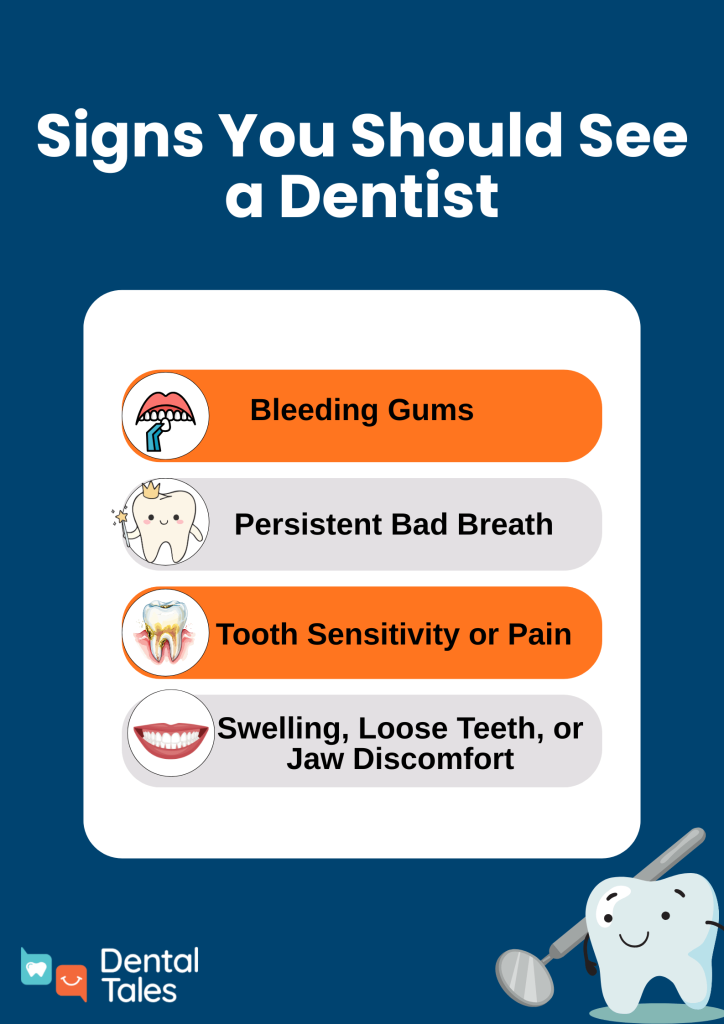
- Bleeding Gums
Persistent or heavy bleeding is never normal. While bleeding after aggressive flossing may be minor, gums that bleed regularly during brushing or spontaneously indicate periodontal disease or other problems that require professional evaluation.
Bleeding gums are typically the first sign of gingivitis, which is reversible with treatment but will progress to more serious periodontal disease if ignored.
- Persistent Bad Breath
Chronic halitosis signals underlying problems. Bad breath that doesn’t improve with brushing, flossing, and mouthwash often indicates gum disease, tooth decay, or other oral health issues that require professional treatment.
Beyond the health implications, persistent bad breath can impact your social and professional life. Addressing the underlying cause improves both your health and quality of life.
- Tooth Sensitivity or Pain
Sensitivity can indicate various problems. Teeth that are sensitive to hot, cold, or sweet foods might have exposed roots due to gum recession, worn enamel, cavities, or cracked teeth. Professional diagnosis determines the cause and appropriate treatment.
Pain indicates that a problem has progressed significantly. Whether it’s a cavity that has reached the nerve, an infection, or a cracked tooth, pain won’t resolve on its own and typically worsens without treatment.
- Swelling, Loose Teeth, or Jaw Discomfort
Swelling indicates infection or inflammation: Swelling in your gums, face, or jaw suggests an active infection that may spread if not treated promptly. Dental infections can become serious medical emergencies.
Loose teeth in adults are always concerning. While loose baby teeth are normal in children, adult teeth should never feel loose. This can indicate advanced gum disease, bone loss, or trauma that requires immediate evaluation.
These symptoms indicate problems that won’t resolve on their own. Early intervention almost always results in simpler, less expensive, and less painful treatment. Don’t hesitate to call your dentist between regular appointments if you notice any of these warning signs.
What Happens During a Routine Dental Check-Up?
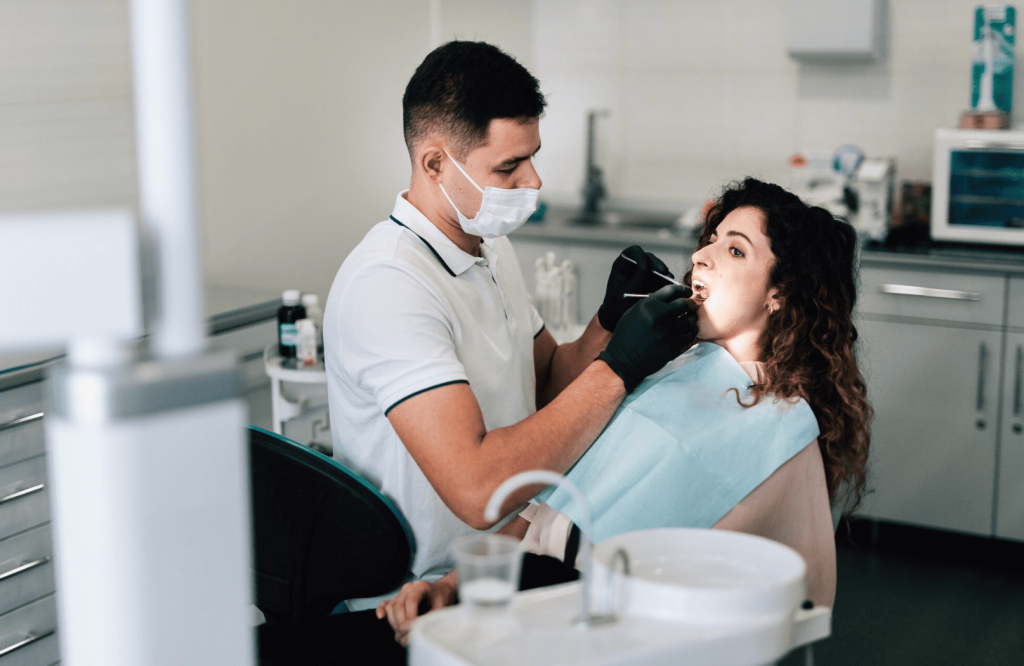
Many patients think a dental visit is just about “cleaning teeth,” but a routine check-up is a comprehensive health assessment designed to catch problems early, often before you feel anything at all.
- Examination
During the exam, each tooth is carefully evaluated for decay, cracks, wear, or changes since your last visit, often with magnification to spot issues you can’t see or feel. Gum health is assessed by checking for inflammation, measuring pocket depths, and identifying early signs of gum disease or infection.
Every visit also includes an oral cancer screening, where the tongue, cheeks, throat, and neck are examined for unusual lumps or lesions. Your bite and jaw joints are checked for grinding, clenching, or joint dysfunction, and any existing dental work, like fillings or crowns, is reviewed for wear or failure.
- Cleaning
Professional cleaning removes hardened tartar from areas that brushing and flossing can’t reach, especially below the gum line, one of the most important steps in preventing gum disease. Teeth are then polished to remove surface stains and create smooth surfaces that resist plaque buildup.
If needed, fluoride may be applied to strengthen enamel and reduce cavity risk. You’ll also receive personalized advice based on areas where plaque tends to be missed during home care.
- X-rays (When Needed)
Dental X-rays reveal problems that can’t be detected visually, such as cavities between teeth, issues beneath fillings, bone loss, or infections below the gum line. They’re particularly useful for detecting early bone loss and monitoring bone health.
How often X-rays are taken depends on your risk level; low-risk patients may need them less frequently, while higher-risk individuals may require closer monitoring.
Why Early Detection Matters?
Small problems are easier, faster, and far less expensive to treat. A minor cavity can be repaired quickly, whereas the same issue left untreated may require a root canal or a crown. Early detection also prevents pain, emergencies, and unexpected dental costs.
As a dentist, I always recommend scheduling dental checkups even if there is no issue in your oral health. A right dentist can help you prevent any oral health issues, before they may arise. You can also check out my detailed dental treatments page, where I’ve broken down different dental treatments.
Can You Go Once a Year Instead of Every 6 Months?
This is a question I hear regularly, and the honest answer is: it depends. For a small percentage of individuals with excellent oral health, minimal disease history, and outstanding home care, annual visits may be sufficient.
However, I rarely recommend this because the risks often outweigh the minor inconvenience of an extra yearly visit.
Conclusion
Dental visits should be viewed as a preventive measure, not a response to pain or visible problems. The recommended frequency isn’t arbitrary; it’s based on how oral diseases develop silently over time and how early intervention can stop minor issues from becoming serious, painful, and expensive.
For most people, visiting a dentist every six months provides the right balance between prevention and practicality. However, age, risk factors, medical conditions, and oral health history can influence the frequency of care. Understanding these factors helps you choose a schedule that protects your long-term oral health.
Regular dental check-ups save time, reduce costs, and prevent avoidable discomfort. When dental care is proactive rather than reactive, it supports not only healthy teeth and gums but also overall well-being.
FAQs
No. Dental pain usually appears only after a problem has progressed significantly. Many conditions, such as cavities, gum disease, and infections, develop silently in the early stages. Waiting for pain often leads to more complex, time-consuming, and costly treatment.
Children should see a dentist every six months, starting within six months of the first tooth erupting or by their first birthday. Regular visits help monitor tooth development, prevent early decay, and establish healthy oral habits that carry into adulthood.
Good brushing and flossing are essential, but they don’t replace professional care. Some areas of the mouth can’t be cleaned effectively at home, and issues like tartar buildup, early cavities, and gum disease require professional evaluation. Even excellent home care doesn’t eliminate the need for regular check-ups.
Yes. Many dental problems are not visible or painful in their early stages. Routine check-ups allow dentists to detect hidden issues early, when treatment is simpler, less invasive, and more affordable.