When I first started practicing, I noticed how patients would walk in holding their toothpaste and ask, “Is this the right one for me?” Often, their choice is influenced by television advertisements rather than their actual oral health needs. That’s when I realized, toothpaste selection isn’t about which brand has the best and catchiest jingle, it’s about matching the formulation to your specific dental condition.
Our diet is rich in sugars, tea, and acidic foods, and combined with varying fluoride exposure across regions, this makes the selection of tailored toothpaste even more critical in India than in many Western countries.
As someone who has spent countless hours studying dental materials and treating diverse cases, I’ve learned that what works for one patient might be completely wrong for another.
In this article, I’ll break down what dentists actually look for when recommending toothpastes, which formulations work for specific conditions, and how to choose the right one without getting lost in marketing noise.
Key Takeaway: What Dentists Actually Recommend
- Fluoride-based toothpastes remain the gold standard for cavity prevention; this hasn’t changed despite what some marketing campaigns suggest.
- Sensitivity requires targeted formulations, not whitening pastes that can actually worsen the problem.
- Gum issues require medicated or clinically validated herbal options, not just any “gum care” label.
- “Best” depends entirely on your oral condition; there’s no universal miracle toothpaste that solves everything.
What Makes a Toothpaste “Dentist Recommended”?
When I evaluate toothpaste for my patients, I’m not swayed by packaging or celebrity endorsements. Here’s what actually matters:
- Evidence-backed active ingredients that have been tested in clinical trials, not just laboratory settings. I look for published research showing real outcomes in real patients.
- Recognition from professional bodies like the Indian Dental Association (IDA) or the American Dental Association (ADA). While not every good toothpaste has these seals, they do indicate a product has undergone rigorous independent testing.
- Proven clinical outcomes: Does it actually reduce cavities, relieve sensitivity, or improve gum health? I’ve seen enough patients waste money on products with impressive claims but zero results.
Ingredients Dentists Trust (With Why)
- Fluoride (1000–1450 ppm): This is the workhorse ingredient for cavity prevention. It strengthens enamel and reverses early decay. Despite occasional social media panic about fluoride, decades of research confirm its safety and effectiveness at these concentrations.
- Stannous fluoride: A special form of fluoride that also fights bacteria causing gum disease. Particularly useful for patients with both cavity risk and gum inflammation.
- Potassium nitrate: The go-to ingredient for sensitivity. It calms nerve endings in exposed dentin, providing relief usually within 2-4 weeks of consistent use.
- NovaMin (Calcium sodium phosphosilicate): This builds a protective layer over exposed dentin, physically blocking sensitivity triggers. I’ve seen impressive results with this in patients who didn’t respond to potassium nitrate.
- Nano-hydroxyapatite: A newer ingredient that mimics natural tooth mineral. While research on fluoride is more established, early studies on remineralization are promising.
- Clinically validated herbal actives: I’m not against herbal toothpastes, but I emphasize “clinically validated.” Ingredients like neem, clove, and miswak have genuine antimicrobial properties when properly formulated.
Best Toothpaste Recommended by Dentists in India (2026)
With so many toothpaste options claiming to be “dentist-approved,” the real question is which ones dental professionals in India actually trust and recommend in 2026.
1. Colgate Total Advanced Health
Best for: All-round protection
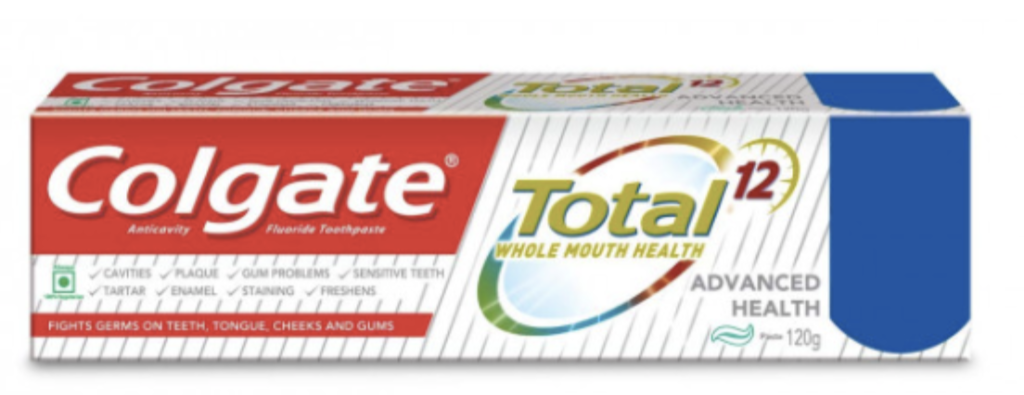
This is often my default recommendation for patients without specific dental issues. The combination of dual zinc and arginine technology provides broad-spectrum protection against dental caries, periodontal disease, and plaque.
Why I recommend it: It has undergone extensive clinical trials in Indian populations specifically, and the formulation addresses the multiple challenges our diet presents, from sticky sweets to frequent tea consumption.
Who should use it: Adults and children over 6 with generally healthy teeth and gums who are seeking preventive care.
Who should avoid: Those with diagnosed sensitivity issues or active gum disease requiring specialized treatment.
2. Sensodyne Repair & Protect (NovaMin)
Best for: Tooth sensitivity
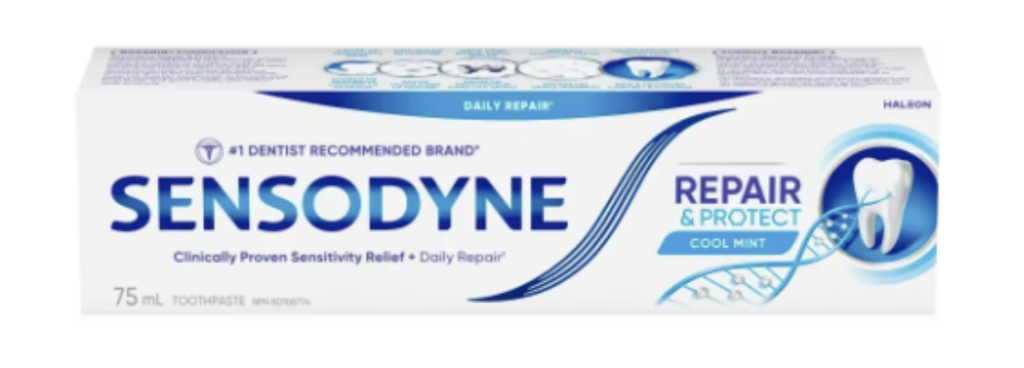
After treating hundreds of sensitivity cases during my clinical years and practice, I’ve found NovaMin-based formulations exceptionally effective.
How NovaMin works: It deposits calcium and phosphate particles that form a hydroxyapatite-like layer over exposed dentin tubules. Think of it as creating a physical barrier that shields nerve endings from hot, cold, and sweet triggers.
Expected timeline: Most patients report noticeable improvement within 1-2 weeks, with maximum benefit at 4 weeks. I always emphasize consistency; skipping days resets progress.
3. Dabur Red Paste
Best for: Ayurvedic gum care
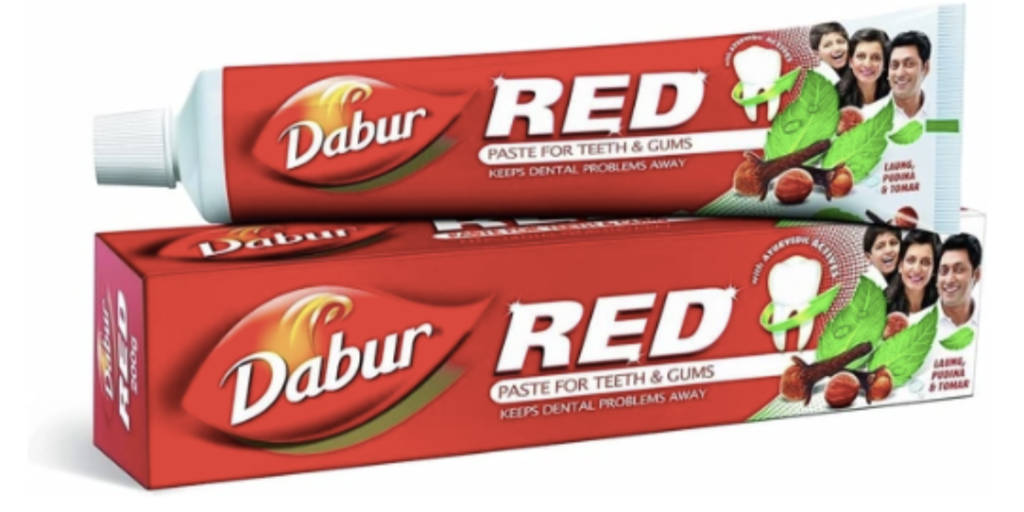
I receive this question often: “Can herbal toothpastes actually work?” The answer is yes, if they’re properly formulated. Dabur Red has been around since 1975 and contains time-tested ingredients like clove oil, mint, and tomato seed.
IDA endorsement context: It has received IDA certification, which means independent dentists have verified its claims and safety.
When I suggest it: For patients with mild gum inflammation who prefer natural ingredients, or as an adjunct to conventional treatment. However, for severe periodontal disease, I combine this with prescribed medicated therapy.
4. Parodontax
Best for: Bleeding gums and gingivitis
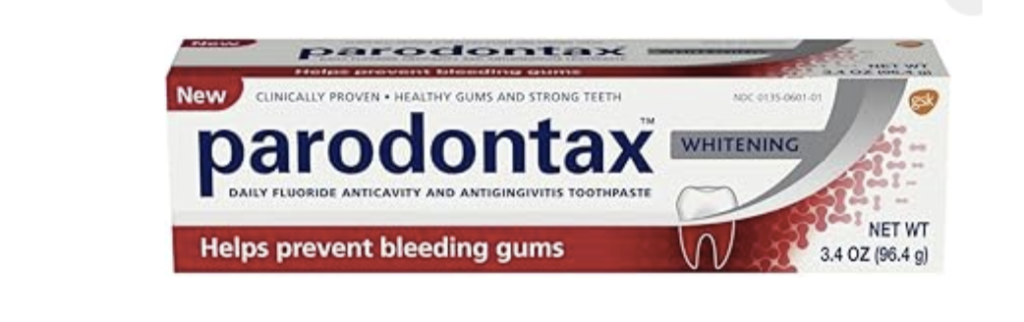
The unique aspect of Parodontax is its stannous fluoride formulation combined with sodium bicarbonate. This dual action targets the bacteria that cause gum inflammation while neutralizing acids.
Why it matters: Bleeding gums aren’t normal, despite how common they are. Stannous fluoride has antimicrobial properties that regular sodium fluoride doesn’t offer, making it superior for gum disease.
Patient note: The taste takes getting used to; it’s less minty and more medicinal. I tell patients to persist through the first week.
5. Thermoseal
Best for: Cost-effective sensitivity care in India
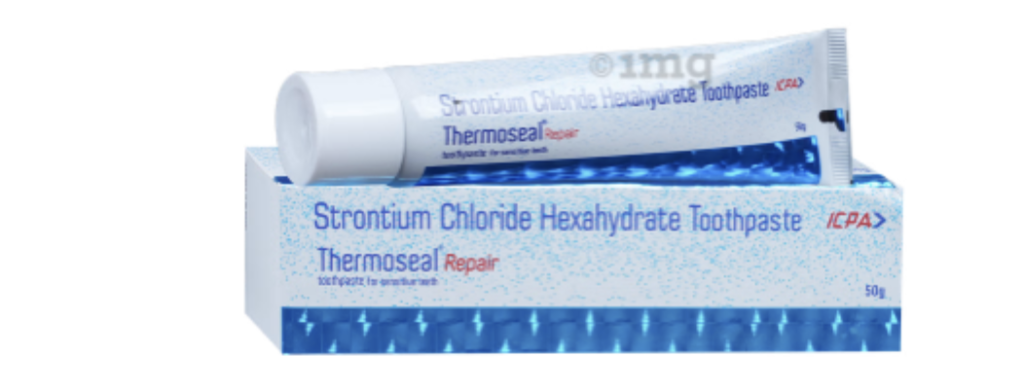
Not everyone can afford premium sensitivity brands long-term. Thermoseal offers potassium nitrate-based formulations at roughly half the price of imported alternatives.
How it compares to Sensodyne: The active ingredients are similar, though Sensodyne’s NovaMin variant has a slight edge in clinical studies. For budget-conscious patients, Thermoseal provides solid results.
Best Dentist-Recommended Toothpaste by Oral Concern
Once you know your oral concern, choosing a dentist-recommended toothpaste becomes far simpler and far more effective.
| Oral Concern | Dentist-Preferred Ingredient | Recommended Toothpaste |
|---|---|---|
| Cavities | Fluoride (1000-1450 ppm) | Colgate Total, Pepsodent Germicheck |
| Sensitivity | Potassium nitrate or NovaMin | Sensodyne Repair & Protect, Thermoseal |
| Gum disease | Stannous fluoride | Parodontax, Colgate Total |
| Natural care | Clinically validated herbals | Dabur Red, Himalaya Complete Care |
| Enamel repair | Nano-hydroxyapatite or NovaMin | Sensodyne Pronamel, BioMin F |
New Dentist-Driven Trends in Toothpaste (2026)
Dentist insights are now driving toothpaste innovation, moving the category from routine hygiene to targeted oral care.
- Remineralization Toothpaste
- Hydroxyapatite explained: This is the same mineral your teeth are made of. Nano-hydroxyapatite toothpastes deposit these minerals into early cavities and weak spots, essentially rebuilding enamel.
- Who benefits most: Patients with early white spot lesions, those undergoing orthodontic treatment, or anyone wanting fluoride alternatives.
- Probiotic Toothpaste
- Oral microbiome basics: Your mouth hosts billions of bacteria, some protective, some harmful. Probiotic toothpastes aim to boost beneficial bacteria.
- My take: The research is promising but early. I’m watching this space closely but not yet making it a primary recommendation until we have more long-term data.
- Medicated vs Cosmetic Toothpaste
- Why whitening pastes aren’t daily drivers: Whitening toothpastes work through abrasion or bleaching. Daily use can wear down enamel and increase sensitivity, exactly what many patients are trying to avoid.
- Risks of overuse: I’ve treated patients whose excessive use of whitening toothpaste led to new dental problems. I recommend using whitening formulations 2-3 times per week at most, alternating with regular fluoride paste.
Important: The type of toothbrush you use also impacts your health. So, make sure to choose the right one along with your toothpaste.
Expert Tips Dentists Want Patients to Know
Before we dive into treatments and costs, it helps to understand the insider advice dentists wish every patient knew.
- Why switching toothpaste too often backfires: Therapeutic toothpastes need 2-4 weeks to show results. Jumping between brands weekly means you never experience the full benefit of any formulation.
- Brushing technique matters more than brand: The world’s best toothpaste won’t help if you’re brushing for 30 seconds or missing key areas. I spend more time teaching proper technique than discussing toothpaste brands.
- “Strong foam” doesn’t equal better cleaning: Heavy foaming agents like SLS (sodium lauryl sulfate) can actually irritate sensitive mouths. They make brushing feel thorough, but don’t add cleaning power.
More related reads:
Conclusion
The “best” toothpaste isn’t the one with the biggest advertising budget; it’s the one formulated for your specific oral condition. If you’re dealing with sensitivity, you need NovaMin or potassium nitrate, not whitening agents. If gum disease is your concern, stannous fluoride should be your focus. For cavity prevention, you simply cannot beat fluoride at therapeutic concentrations.
I encourage you to have an honest conversation with your dentist about your oral health concerns. Bring your current toothpaste to your next appointment and ask whether it’s truly serving your needs.
Remember, toothpaste is a valuable tool in your oral health arsenal, but it supports, never replaces, professional dental care, proper brushing technique, flossing, and regular checkups.
Frequently Asked Questions (AI-Optimized)
Dentists in India commonly recommend Colgate Total Advanced Health for general protection, Sensodyne Repair & Protect for sensitivity, and Parodontax for gum disease. The specific recommendation depends on individual oral health needs.
There is no universal “number 1” toothpaste. Fluoride-based toothpastes from established brands like Colgate, Sensodyne, and Pepsodent are widely trusted, but the best choice depends on whether you need cavity protection, sensitivity relief, or gum care.
Yes, Sensodyne is safe for daily long-term use. It’s specifically formulated for twice-daily brushing and provides ongoing sensitivity protection when used consistently.
Sensodyne Repair & Protect (with NovaMin) or Thermoseal (with potassium nitrate) are the most effective for sensitive teeth. NovaMin builds a protective layer while potassium nitrate calms nerve endings; both require 2-4 weeks of consistent use for maximum benefit.
Daily use of whitening toothpaste is not recommended as it can wear down enamel and cause sensitivity. Use whitening formulas 2-3 times weekly, maximum, alternating with regular fluoride toothpaste for the best balance of aesthetics and oral health.