India has one of the highest rates of untreated dental diseases in the world. Approximately 90% of Indians have dental problems, and only 9% of people visit a dentist regularly.
Instead, there’s a deeply rooted culture of delaying treatment and relying on home remedies like clove oil, saltwater rinses, or over-the-counter painkillers until the pain becomes unbearable.
Most of the time, patients arrive with swollen faces, severe infections, or teeth that could have been saved weeks earlier. The problem isn’t always a lack of awareness; it’s often confusion about what truly constitutes an emergency.
If you’re unsure whether your dental problem requires immediate attention or can wait for a routine appointment, this guide will help you decide clearly.
Key Takeaway: What is Dental Emergency?
- A dental emergency is any oral condition that causes pain, uncontrolled bleeding, infection, trauma, risk to life, or loss of a permanent tooth and requires professional care without delay.
- In India, delayed treatment is one of the biggest reasons routine dental problems turn into emergencies.
What Is Considered a Dental Emergency?
A dental emergency is any urgent oral health issue that requires immediate intervention to stop ongoing tissue bleeding, alleviate severe pain, or save a tooth.
A true dental emergency is something that includes:
- Pain severity: Intense, throbbing pain that doesn’t respond to painkillers.
- Infection risk: Presence of pus, swelling, or fever indicates bacterial spread.
- Time sensitivity: Conditions where every hour counts, such as a knocked-out tooth or uncontrolled bleeding.
However, not every toothache is an emergency, and it’s important to recognize when your symptoms become urgent, which is critical for protecting your oral and overall health.
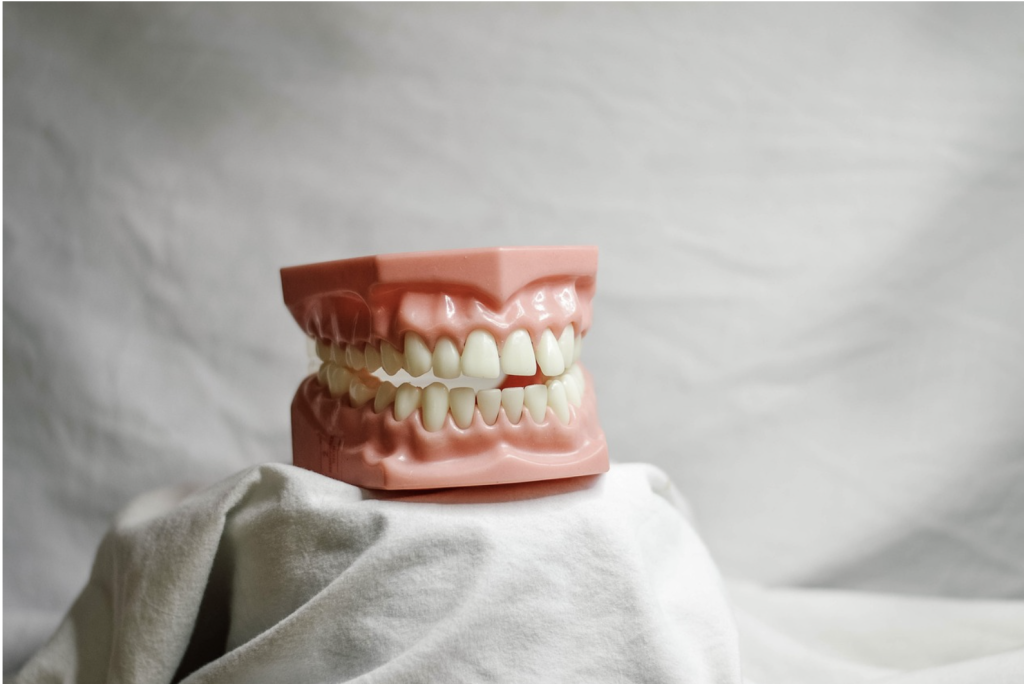
Why Dental Emergencies Are So Common in India (Data-Backed Context)
Through my years of practice, many dental emergencies I treat could have been prevented with earlier intervention. This isn’t just a story of my clinic; it reflects a nationwide challenge.
Consider these realities:
- Gum disease affects approximately 50-60% of the adult population, often without symptoms until advanced stages.
- Cultural reliance on home remedies delays professional care by weeks or even months.
- Limited access to dental care in rural areas means patients travel long distances, often waiting until problems become severe.
The pattern I see repeatedly goes like this: A patient notices mild tooth sensitivity but ignores it. Within weeks, the decay reaches the nerve, causing severe pain.
Instead of visiting a dentist, they take painkillers and use traditional remedies. By the time they arrive at my clinic, what could have been a simple filling has become a root canal, or worse, an extraction with facial swelling requiring antibiotics.
This delay culture transforms manageable dental issues into genuine emergencies, increasing both health risks and treatment costs dramatically.
The 3 Major Categories of Dental Emergencies
Understanding how dental emergencies are classified helps you recognize warning signs faster. I categorize them into three main types:
1. Pain-Driven Emergencies (Most Common)
Severe dental pain is the most frequent reason patients seek emergency care. This includes:
- Acute toothache: Sudden, intense pain that disrupts sleep and daily activities.
- Pulpitis: Inflammation of the tooth’s nerve tissue, causing throbbing pain.
- Exposed nerve: Often from deep decay or a broken filling, resulting in sharp, shooting pain.
Why pain equals emergency: Severe dental pain typically indicates infection or inflammation near the tooth’s nerve. The pressure from infection buildup in the confined space of your tooth creates excruciating discomfort. If it’s left untreated, the infection can spread to the surrounding bone and tissue.
2. Infection-Driven Emergencies (Most Dangerous)
These are the emergencies that concern me most as a dentist because of their potential to become life-threatening:
- Dental abscess: A pocket of pus formed from bacterial infection, appearing as a bump on the gum.
- Facial swelling: Swelling extending to the cheek, jaw, or neck area.
- Fever with oral pain: Systemic symptoms indicate infection spread.
The danger here is real. Dental infections don’t stay localized; they can spread to the jawbone (osteomyelitis), neck spaces, and in severe cases, reach the brain or heart. I’ve referred patients to hospitals when facial swelling compromised their ability to breathe or swallow. These situations can escalate within hours.
Do you know: A cavity can also trigger toothaches. Read my guide on how to know if you have cavity.
3.Trauma-Driven Emergencies (Most Time-Sensitive)
Accidents happen, and when they involve your mouth, quick action is essential:
- Knocked-out tooth (avulsion): Complete displacement of a tooth from its socket.
- Fractured tooth: Breaks involving the tooth’s nerve or significant structure loss.
- Jaw injury: Trauma affecting the jawbone or joint.
In India, sports injuries and road accidents are leading causes of dental trauma, particularly among young adults and children. The critical factor with trauma is time; a knocked-out tooth has the best chance of being saved if reimplanted within 30-60 minutes.
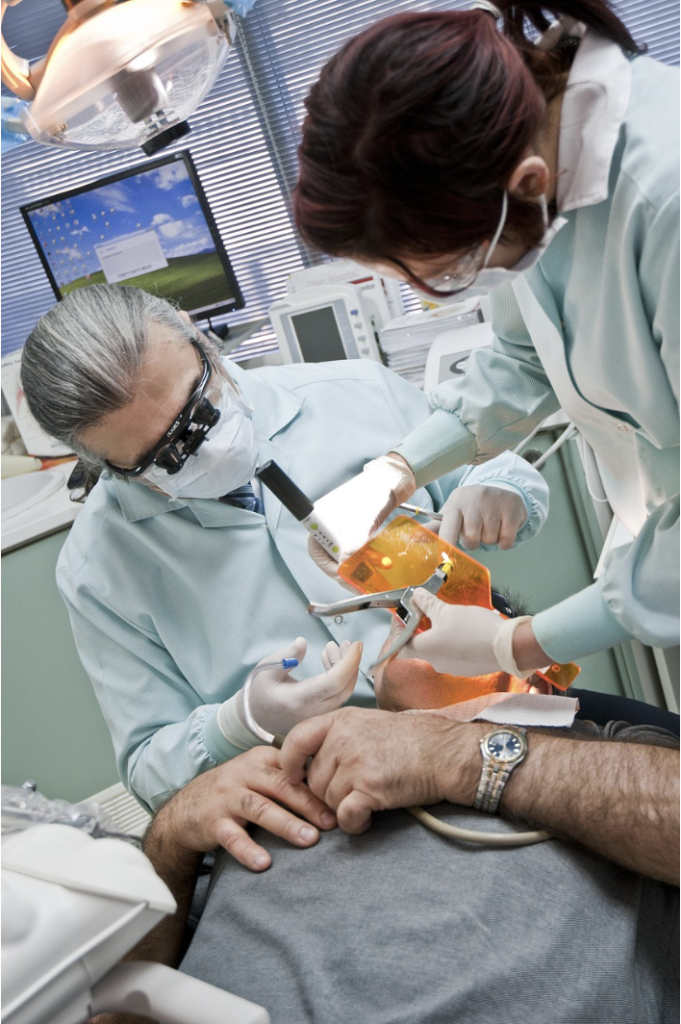
Dental Emergency vs Urgent vs Non-Emergency
One of the most common questions I receive is: “How do I know if this can wait?” Well, the pain can be categorised in 3 different types of pain:
- Emergency: Requires immediate care to save a tooth or prevent serious complications.
- Urgent: Needs prompt attention within 24-48 hours to prevent worsening.
- Non-Emergency: Can be scheduled during regular dental hours without immediate risk.
Here’s a practical framework to help you decide:
| Symptom | Pain Level | Risk | Action Needed | Timeline |
|---|---|---|---|---|
| Knocked-out permanent tooth | Variable | Very High | Emergency dentist | Within 30-60 minutes |
| Severe, throbbing toothache | High | High | Emergency dentist | Same day |
| Facial swelling with fever | Moderate to High | Very High | Emergency dentist or ER | Immediately |
| Uncontrolled bleeding | Variable | High | Emergency dentist or ER | Immediately |
| Broken tooth with sharp pain | High | Moderate to High | Emergency dentist | Within 24 hours |
| Dental abscess (pus, swelling) | Moderate to High | High | Emergency dentist | Within 24 hours |
| Lost filling with mild pain | Low to Moderate | Low | Urgent dental visit | Within 2-3 days |
| Loose crown without pain | Low | Low | Routine dental visit | Within a week |
| Mild tooth sensitivity | Low | Low | Routine dental visit | Schedule normally |
| Small chip without pain | Minimal | Low | Routine dental visit | Schedule normally |
Common Dental Emergencies Explained (User-Friendly Checklist)
Let me walk you through the specific emergencies I encounter most frequently, what makes them serious, and what you should do:
- Knocked-Out (Avulsed) Tooth
Why it’s serious: The ligaments attaching your tooth to the bone begin dying within minutes. Every moment counts.
What happens if delayed: After 60 minutes, the success rate of reimplantation drops significantly. After 2 hours, the tooth is rarely salvageable.
Immediate next step: Handle the tooth by the crown (never the root), rinse gently with water if dirty, try to place it back in the socket if possible, or store it in milk or saliva. Get to a dentist within 30 minutes.
- Severe Toothache
Why it’s serious: Indicates possible infection or nerve inflammation that won’t resolve on its own.
What happens if it is delayed: The infection can spread to surrounding teeth, bone, and facial tissues. I’ve seen patients develop abscesses requiring surgical drainage because they waited too long.
Immediate next step: Rinse with warm water, take appropriate pain medication, and contact a dentist immediately. Avoid placing aspirin directly on gums; it causes chemical burns.
- Abscess or Pus Swelling
Why it’s serious: This is an active bacterial infection. The pus you see is filled with bacteria and dead white blood cells fighting the infection.
What happens if delayed: Infections can spread rapidly, especially in people with diabetes or weakened immune systems. I’ve had patients hospitalized for cellulitis, a spreading infection of facial tissues, because they ignored gum swelling.
Immediate next step: Do not try to drain it yourself. Rinse with mild saltwater and see a dentist immediately. If swelling affects breathing or swallowing, go to an emergency room.
- Broken or Cracked Tooth
Why it’s serious: Depending on the crack’s depth, bacteria can reach the tooth’s pulp, causing infection. Sharp edges can also cut your tongue or cheek.
What happens if delayed: A small crack can propagate deeper, eventually requiring extraction rather than restoration.
Immediate next step: Rinse your mouth, save any pieces, cover sharp edges with dental wax or sugar-free gum, and see a dentist within 24 hours.
- Loose Adult Tooth
Why it’s serious: Adult teeth should be firmly anchored. Looseness indicates trauma, advanced gum disease, or bone loss.
What happens if delayed: The supporting structures may deteriorate beyond repair, resulting in tooth loss.
Immediate next step: Don’t wiggle the tooth. Avoid chewing on that side and see a dentist immediately.
- Uncontrolled Bleeding
Why it’s serious: Persistent bleeding after injury or a dental procedure may indicate damage to blood vessels or clotting issues.
What happens if delayed: Continued blood loss, risk of infection, and difficulty healing.
Immediate next step: Apply firm pressure with clean gauze for 15-20 minutes. If bleeding doesn’t stop, seek emergency care.
- Jaw or Facial Trauma
Why it’s serious: May involve fractured bones, which can affect breathing, eating, and speaking.
What happens if delayed: Improper healing can lead to chronic jaw problems, pain, and misalignment.
Immediate next step: Apply a cold compress to reduce swelling and go to an emergency room for evaluation.
- Soft Tissue Injuries
Why it’s serious: Deep cuts to the tongue, lips, or gums can bleed significantly and may need stitches.
What happens if delayed: Increased infection risk and scarring.
Immediate next step: Clean the area gently, apply pressure to stop bleeding, and seek dental or medical care if the cut is deep or won’t stop bleeding.
What Is Not a Dental Emergency (But Still Needs Care)
Not every dental problem requires dropping everything to seek immediate care. Understanding this reduces unnecessary anxiety and helps you plan appropriately:
- Mild tooth sensitivity: Discomfort when consuming hot, cold, or sweet foods, manageable with toothpaste for sensitive teeth. Schedule a routine appointment within 1-2 weeks.
- Small chip without pain: Minor cosmetic damage to a tooth that doesn’t hurt and has no sharp edges. This can wait for a regular dental visit, typically within 2-3 weeks.
- Lost filling without discomfort: If a filling falls out but there’s no pain or sensitivity, you have a few days to see your dentist. Avoid chewing on that side until repaired.
- Food stuck between teeth: While uncomfortable, food impaction that can be removed with floss isn’t an emergency. If you are unable to remove it yourself, call your dentist during regular hours.
These conditions don’t pose an immediate risk of infection, tooth loss, or severe complications. However, they shouldn’t be ignored indefinitely. What starts as minor sensitivity can progress to decay requiring more extensive treatment.
Also read about what causes a toothache to know the reason and the right treatment for the same.
How long is “safe” to wait?
Generally, non-emergency issues should be addressed within 1-2 weeks. I always tell my patients: if something changes, pain increases, swelling develops, or symptoms worsen, contact your nearby dentist immediately.
Conclusion: When in Doubt, Act Early!
After years of practicing dentistry and managing countless emergencies, I’ve learned one fundamental truth: early action prevents most dental crises.
If you’re experiencing severe pain, noticeable swelling, bleeding that won’t stop, or you’ve suffered dental trauma, don’t wait. Contact a dentist immediately. Even if you’re uncertain whether your situation qualifies as an emergency, a quick phone call to your dental clinic can provide guidance and peace of mind.
Remember, your oral health is intimately connected to your overall well-being. Dental infections can affect your heart, lungs, and other organs. Addressing dental emergencies promptly isn’t just about saving teeth; it’s about protecting your health.
Frequently Asked Questions
Not always. Mild, occasional tooth sensitivity isn’t an emergency. However, severe, persistent pain, especially pain that wakes you at night, doesn’t respond to painkillers or is accompanied by swelling, requires immediate dental attention.
A dental abscess should never wait. This is an active infection that can spread rapidly, especially to vulnerable areas like the jaw, neck, and even the brain. If you notice a painful bump on your gum, facial swelling, or fever alongside tooth pain, see a dentist immediately, ideally within 24 hours.
It depends on your symptoms. If you lose a filling but experience no pain or sensitivity, you can schedule an appointment within a few days. However, if you experience sharp pain, temperature sensitivity, or visible decay, treat it as an emergency and see your dentist within 24-48 hours to prevent further damage.
Yes, though it’s rare. Untreated dental infections can spread to surrounding tissues and organs. I’ve seen cases where facial swelling compromised breathing, and infections spread to the neck and chest. This is why prompt treatment is essential.
Children’s dental emergencies require special consideration. If a baby tooth is knocked out, we typically don’t reimplant it to avoid damaging the developing permanent tooth underneath. However, injuries to permanent teeth in children follow the same urgent protocols as adults. Always contact a dentist immediately after any dental trauma in children.
Yes, though it’s rare. Untreated dental infections can spread to surrounding tissues and organs. I’ve seen cases where facial swelling compromised breathing, and infections spread to the neck and chest. This is why prompt treatment is essential.
Children’s dental emergencies require special consideration. If a baby tooth is knocked out, we typically don’t reimplant it to avoid damaging the developing permanent tooth underneath. However, injuries to permanent teeth in children follow the same urgent protocols as adults. Always contact a dentist immediately after any dental trauma in children.
If pain is severe, throbbing, preventing sleep, or accompanied by swelling or fever, don’t wait overnight; seek emergency dental care. If pain is moderate and manageable with over-the-counter medication, you can wait until morning, but call your dentist first thing.
Facial swelling related to dental problems is always a concern and should be evaluated promptly. It indicates an infection that has spread beyond the tooth into surrounding tissues. If swelling affects your ability to breathe, swallow, or open your eyes, go to an emergency room immediately.