When you need dental care, knowing whether to call a dentist vs orthodontist can feel less confusing. Many people use these terms interchangeably, but they represent two distinct types of dental professionals.
Both are trained dental professionals. Both work on teeth and oral health. But their roles, training, and daily focus are very different.
Choosing the right provider matters. The success of your treatment, the time required, and even long-term stability can depend on whether you see a general dentist or an orthodontist.
In this guide, I’ll walk you through the key differences between dentists and orthodontists, helping you make informed decisions about your dental care.
Key Takeaway: Dentist vs Orthodontist
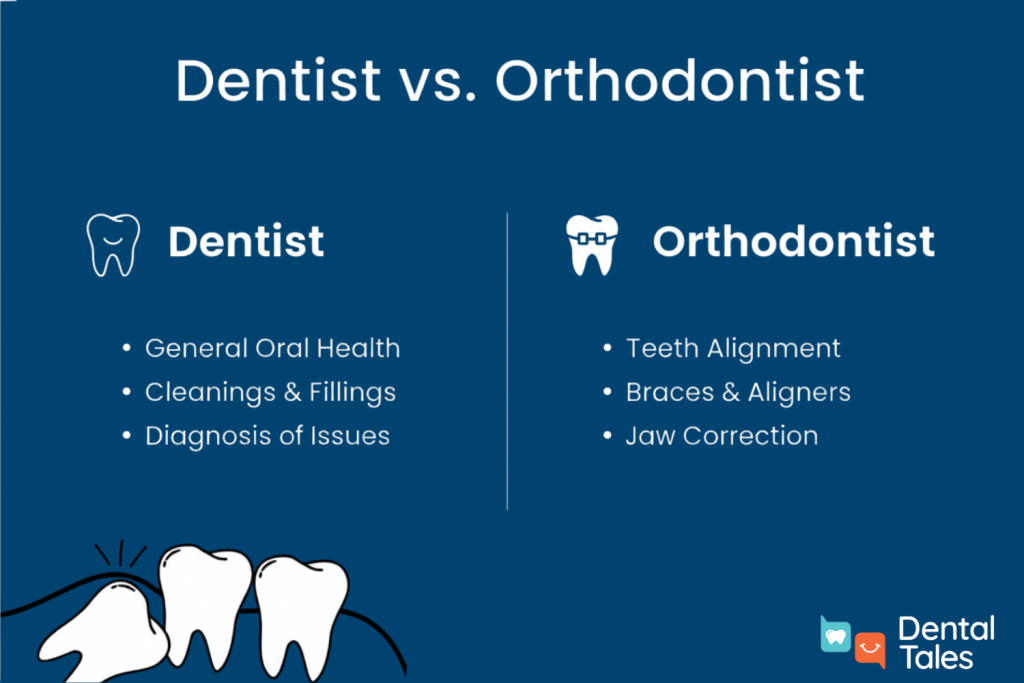
- A general dentist provides comprehensive oral health care, including cleanings, fillings, crowns, and preventive treatment.
- An orthodontist is a dental specialist focused exclusively on diagnosing and correcting teeth and jaw alignment issues.
- Orthodontists complete additional years of specialized training beyond dental school.
- For routine oral health care, see a dentist; for braces or alignment correction, see an orthodontist.
What Is a Dentist?
A general dentist is your primary dental care provider. Think of them as the first point of contact for most dental concerns.
General dentists manage overall oral health. Their work includes prevention, diagnosis, and treatment of common dental problems.
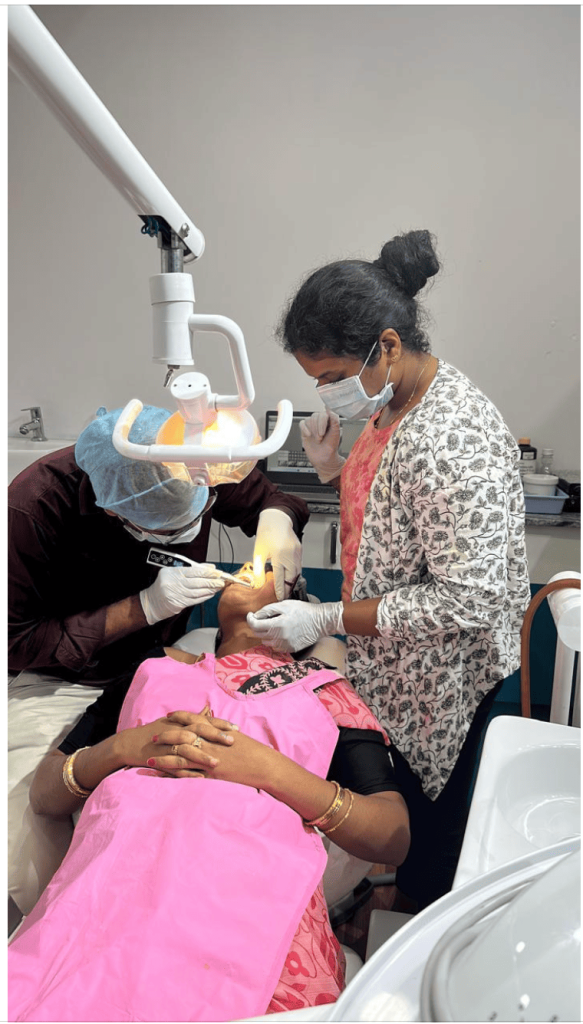
They typically provide the following services:
- Professional cleanings
- Fillings for cavities
- Crowns and bridges
- Root canal therapy
- Tooth extractions
- Gum diseases treatment
- Oral cancer screenings
What Is an Orthodontist?
An orthodontist is a dental specialist who focuses exclusively on the alignment of teeth and jaws. Their practice focuses on correcting malocclusion, which refers to improper bite relationships between the upper and lower teeth.
They typically provide the following services:
- Crowded or spaced teeth
- Overbite, underbite, crossbite, open bite
- Jaw growth irregularities in children
- Facial symmetry concerns related to the bite
Education and Training: Dentist vs Orthodontist
The education gap between dentists and orthodontists is significant and explains why their roles differ so much.
- Dental School (DDS or DMD)
Both dentists and orthodontists begin with four years of dental school after completing their undergraduate degree. They earn either a Doctor of Dental Surgery (DDS) or Doctor of Dental Medicine (DMD) degree; these are equivalent credentials with different names.
- Licensing Requirements
After dental school, all dentists must pass licensing examinations to practice. In India, this involves registration with the Dental Council of India. In other countries, similar licensing boards ensure dentists meet minimum competency standards.
- Orthodontic Residency (2–3 Additional Years)
Orthodontists don’t stop at dental school. They complete a specialized residency program lasting two to three years. During this time, they focus entirely on orthodontics, learning the science of tooth movement, studying facial growth patterns, and gaining extensive hands-on experience with braces and other appliances.
This additional training makes a substantial difference. Orthodontists spend thousands of hours mastering complex cases that would be beyond my scope of practice.
- Board Certification Differences
In many countries, orthodontists can pursue board certification through rigorous examinations demonstrating advanced knowledge and clinical skills.
General dentists can also seek board certification in general dentistry, but the requirements and focus areas differ significantly.
Conditions Treated: Side-by-Side Comparison
Understanding what each professional treats helps clarify when to seek which type of care.
| Condition | General Dentist | Orthodontist |
| Cavities | Removes decay and places fillings or crowns | Refers to dentist |
| Gum Disease | Treats gingivitis and periodontitis | Monitors during treatment |
| Tooth Fractures | Repairs with bonding or crowns | Not typically treated |
| Infections | Performs root canal treatment | Refers to dentist |
| Missing Teeth | Replaces with bridges or dentures | Adjusts spacing for replacement |
| Crowding | Identifies and refers | Corrects with braces or aligners |
| Spacing Issues | Evaluates | Closes gaps |
| Overbite / Underbite | Diagnoses bite irregularities during routine exams | Corrects vertical and horizontal bite discrepancies |
| Crossbite | Detects abnormal bite relationships | Treats using braces, aligners, or expansion appliances |
| Jaw Alignment | Identifies skeletal concerns and refers to a specialist | Manages jaw positioning, especially during growth phases |
Procedures: What Each Professional Can Perform
While they share the same dental foundation, their day-to-day procedures are quite different.
| Procedure | Dentist | Orthodontist |
| Cleanings | Yes | No |
| Fillings | Yes | No |
| Crowns | Yes | No |
| Extractions | Yes | Limited |
| Braces | Some | Yes |
| Clear aligners | Some | Yes |
| Retainers | Limited | Yes |
Some general dentists offer clear aligners or limited orthodontic services. However, complex bite correction is usually handled by orthodontists.
When Should You See a Dentist?
You should visit a general dentist if you’re going for:
- Routine Checkups: Schedule cleanings and examinations every six months. These visits keep your teeth healthy and catch problems early. I always tell my patients that prevention is far easier than treatment.
- Tooth Pain: If a tooth hurts, start at your dentist’s office. We can determine whether you have a cavity, infection, or other issue causing discomfort.
- Cavities: When you need a filling, your general dentist handles this procedure. We remove decay and restore the tooth’s structure.
- Gum Concerns: Bleeding gums, swollen tissue, or receding gumlines all require evaluation by a general dentist. These symptoms often indicate gum disease that needs prompt treatment.
- Preventive Care: Sealants, fluoride treatments, and professional cleanings all fall under general dentistry. These services form the foundation of good oral health.
Your general dentist also serves as a coordinator for your overall dental care, referring you to specialists when needed.
When Should You See an Orthodontist?
Consider consulting an orthodontist if you or your child experiences:
- Crooked Teeth: Teeth that overlap, twist, or don’t line up properly are the most common reason people seek orthodontic care. Beyond cosmetics, straight teeth are easier to clean and less prone to decay.
- Bite Issues: If your teeth don’t come together properly when you close your mouth, an orthodontist can correct the relationship between your upper and lower jaws.
- Speech or Chewing Problems: Severe alignment issues can affect how you speak or eat. Orthodontic treatment often resolves these functional problems.
- Jaw Pain: While general dentists can evaluate jaw pain, persistent discomfort related to bite misalignment may require orthodontic intervention.
- Child Orthodontic Evaluation Age Guidelines: Children should have their first orthodontic evaluation by age 7. At this age, orthodontists can identify developing problems and determine whether early intervention would be beneficial. However, not every child needs treatment at this age; many will simply be monitored until they’re ready for braces as teenagers.
Can a Dentist Do Braces?
Some general dentists provide braces or clear aligners. They receive training through continuing education programs.
However, differences arise in:
- Complexity of cases handled
- Management of severe bite discrepancies
- Skeletal jaw correction planning
For mild alignment issues, dental treatment may be appropriate. For complex malocclusion, impacted teeth, or jaw growth concerns, referral to an orthodontist is usually recommended.
Specialists spend years focusing exclusively on tooth movement mechanics and facial growth patterns. Learn all details about Braces with my separate guide.
Cost Differences and Insurance Considerations
Understanding the financial aspects helps you plan for treatment.
General Dental Insurance Coverage
Most dental insurance plans categorize treatments into preventive, basic, and major procedures. Coverage varies by provider, but typical structures look like this:
| Type of Treatment | Typical Coverage | Notes |
| Preventive care (cleanings, exams) | 100% | Usually covered twice per year |
| Basic procedures (fillings) | 50 to 80% | Subject to deductible |
| Major procedures (crowns, bridges) | 50% average | Annual maximum limits apply |
| Annual maximum | Varies by plan | Often resets yearly |
Deductibles and yearly caps significantly affect out-of-pocket costs.
Orthodontic Coverage Limits
Orthodontic benefits are usually separate from general dental coverage and often come with lifetime caps instead of annual maximums.
| Region | Typical Lifetime Orthodontic Benefit | Age Restrictions |
| India | ₹50,000 to ₹100,000 | Varies by insurer |
| United States | $1,000 to $3,000 | Often limited to under 18 or 19 |
| Adult Coverage | Limited in many plans | Some plans exclude adult orthodontics |
Because orthodontic treatment spans many months, insurance typically pays in installments rather than one lump sum.
Treatment Duration and Payment Timeline
| Procedure | Typical Time Commitment | Short-term payment |
| Filling | Single visit | One time payment |
| Crown | Two visits | One-time payment |
| Braces or Aligners | 18 to 36 months | Monthly or structured payment plans |
Orthodontic treatment involves a longer commitment, but many practices offer flexible monthly plans to reduce financial strain.
Dentist vs Orthodontist: Do You Need Both?
In many cases, yes, you’ll work with both professionals for better oral health.
- Coordinated Care
Your general dentist and orthodontist should communicate about your treatment. Before starting braces, your dentist needs to ensure you don’t have cavities or gum disease that could interfere with orthodontic treatment. I always appreciate it when orthodontists send me updates about our shared patients.
- Long-Term Maintenance After Braces
After your orthodontist removes your braces, you’ll continue seeing your general dentist for regular cleanings and checkups. These visits remain essential even after your orthodontic treatment is complete.
- Retainer Follow-Up
Your orthodontist will monitor your retainer wear and ensure your teeth maintain their new positions. Meanwhile, your general dentist continues providing preventive care and treating any new problems that arise.
This team approach gives you the best of both worlds, specialized orthodontic expertise combined with comprehensive general dental care.
Learn about all dental treatments and how they help here.
Conclusion
Dentists and orthodontists both play essential roles in oral health, but their focus and training differ significantly.
The key is choosing the right professional for your specific need. For regular checkups, cleanings, cavities, or gum concerns, your general dentist is the answer. For crooked teeth, bite problems, or jaw alignment issues, an orthodontist’s specialized training makes the difference.
If you’re unsure which professional you need, start with your general dentist. They can examine your overall oral health and guide you toward the appropriate care, whether that’s treatment in our office or a referral to an orthodontic specialist.
FAQs
- Is an orthodontist a dentist first?
Yes. Every orthodontist is first a dentist who completed dental school and then pursued additional specialized training in orthodontics. They hold the same dental degree as general dentists (DDS or DMD) but chose to focus exclusively on alignment and bite correction.
- Who earns more?
Orthodontists typically earn higher incomes than general dentists due to their specialized training and the nature of their services. However, income varies based on location, practice type, experience, and many other factors.
- Can adults see an orthodontist?
Absolutely. I’ve referred patients in their 40s, 50s, and beyond to orthodontists. Healthy teeth can be moved at any age. Adult orthodontics has become increasingly popular, especially with discreet options like clear aligners.
- Do you need a referral?
In most cases, you don’t need a referral to see an orthodontist. You can schedule a consultation directly. However, some insurance plans require a referral for coverage, so check your policy. Additionally, having your general dentist’s input can be valuable in treatment planning.
- Is Invisalign done by dentists or orthodontists?
Both can provide Invisalign treatment. Many general dentists complete training to offer clear aligner therapy for straightforward cases. Orthodontists also provide Invisalign and typically handle more complex cases.