
Dental treatments are not only about relieving tooth pain or improving the appearance of a smile. As a dentist, I see every day how oral health directly affects overall well-being, confidence, nutrition, and long-term health outcomes.
The scale of oral health challenges in India is significant. Recent data reveal that dental caries affects 40% to 70% of the population, while gum disease (periodontitis) is prevalent in 50% to 87% of Indian adults. Alarmingly, many of these cases remain untreated until they cause severe pain or tooth loss
Modern dentistry focuses on prevention, early diagnosis, conservative treatment, and long-term care planning. With advancements in dental technology and materials, it is now possible to treat dental concerns more comfortably, predictably, and minimally invasively while preserving natural teeth whenever possible.
This guide explains the most common dental treatments, why they are recommended, and how they support both oral and general health.
Why Dental Treatments Are Essential for Long-Term Oral Health
From a clinical perspective, most serious dental problems do not start suddenly. They develop gradually due to plaque buildup, gum inflammation, bite imbalances, or untreated decay.
Dental treatments are designed to:
- Detect problems early before they become complex
- Preserve natural teeth and jawbone structure
- Restore proper chewing and bite function
- Prevent infections and chronic inflammation
- Improve comfort, confidence, and oral hygiene access
A well-planned treatment approach focuses on prevention first, restoration second, and aesthetics only when oral health is stable.
The need for professional intervention is clear when looking at national health data. In India, it is estimated that nearly 95% of adults suffer from periodontal (gum) disease, and over 60% to 80% of children have untreated dental caries (cavities).
Despite this, many wait until they are in pain to visit a dentist, often missing the window for conservative care.
Categories of Dental Treatments
Dentistry is broadly divided into specific treatment categories. Each serves a different purpose but often works together as part of a comprehensive care plan.
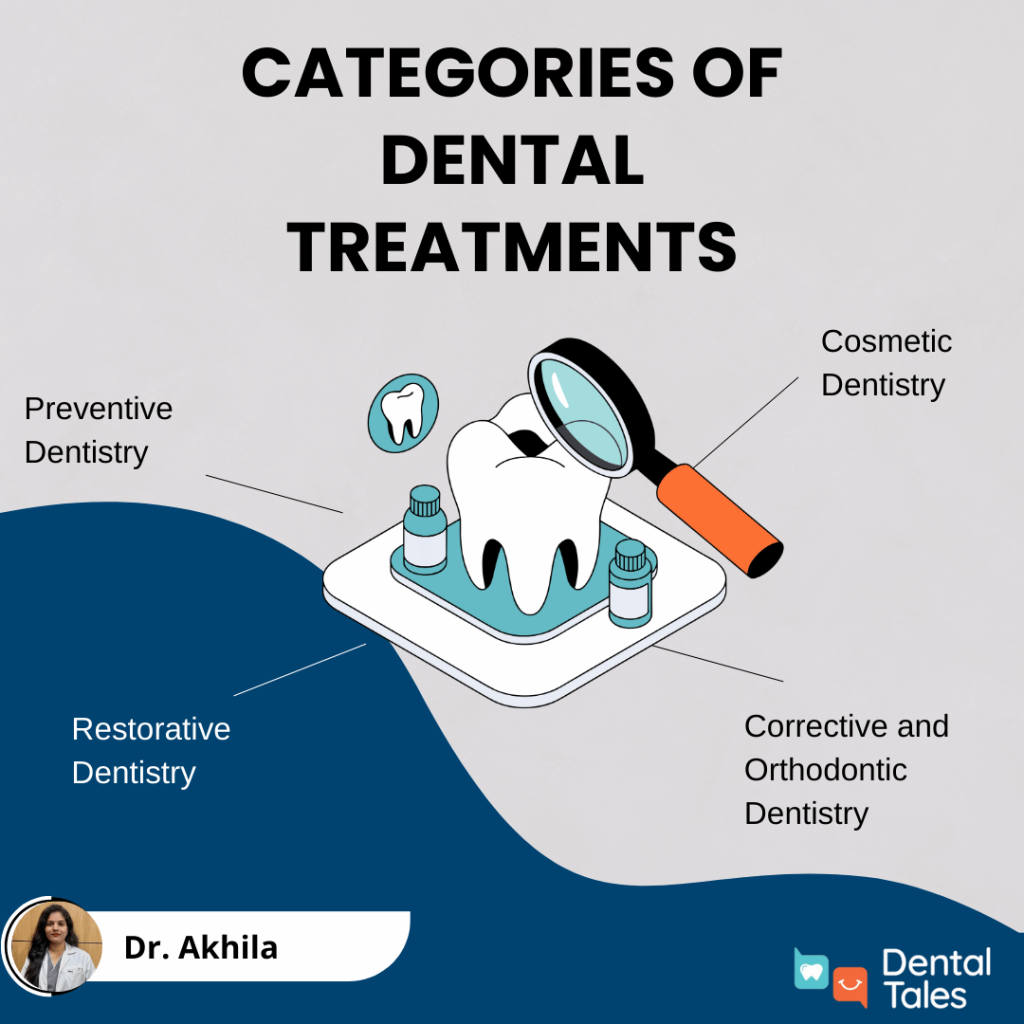
- Preventive Dentistry: Focuses on maintaining oral health and preventing disease.
- Restorative Dentistry: Repairs damage caused by decay, trauma, or wear.
- Corrective and Orthodontic Dentistry: Improves tooth alignment, bite function, and jaw balance.
- Cosmetic Dentistry: Enhances appearance while maintaining dental health and structure.
Now in the next section, let’s look at the details of each treatment.
General Dentistry: The Core of Preventive Dental Care
General dentistry is the foundation of lifelong oral health. Most advanced dental problems I see could have been prevented with regular examinations and timely intervention.
What General Dentistry Typically Involves
- Comprehensive oral exams and digital diagnostics
- Professional cleaning to remove plaque and tartar
- Early cavity detection and conservative fillings
- Gum health evaluation and periodontal monitoring
- Preventive advice tailored to daily habits and lifestyle
Routine dental visits allow dentists to identify changes early and recommend treatment before pain or visible damage occurs.
Preventive dental care is always simpler, safer, and more cost-effective than advanced treatment.
Cosmetic Dentistry: Enhancing Smiles Responsibly
Cosmetic dentistry focuses on improving the appearance of teeth while maintaining their strength, function, and long-term health.
As a dentist, cosmetic treatments are never planned in isolation. A thorough oral health assessment is essential before recommending any aesthetic procedure.
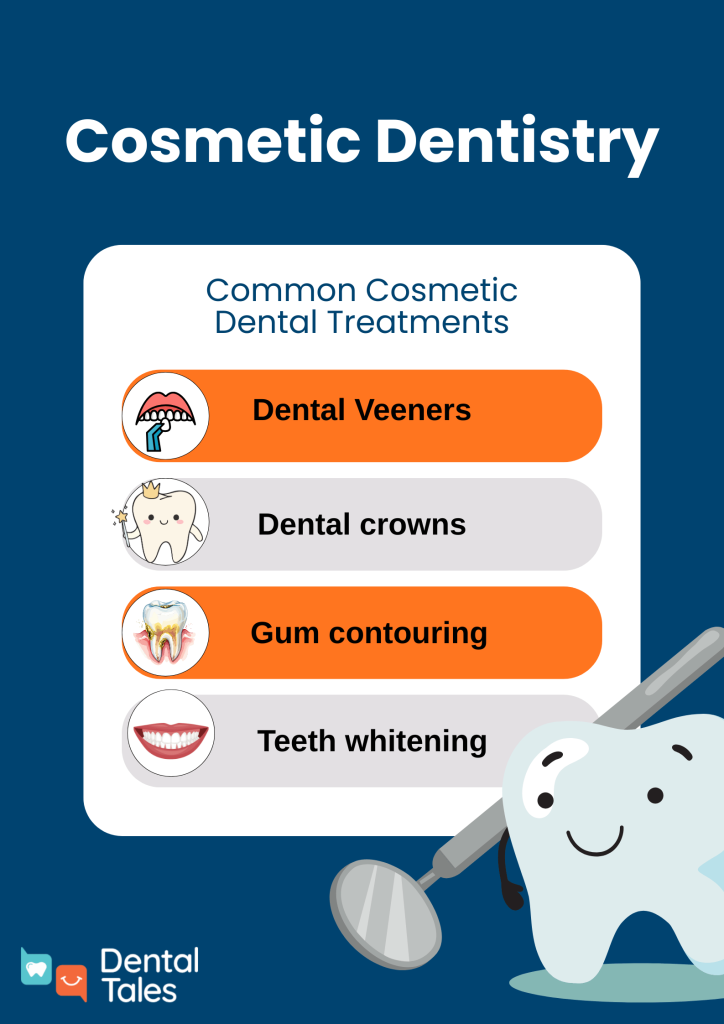
Common Cosmetic Dental Treatments
- Professional teeth whitening for discoloration
- Veneers to address shape, spacing, or surface damage
- Natural-looking aesthetic restorations
- Smile design based on facial balance and bite health
- Gum contouring/gum reshaping
A beautiful smile should also be a healthy and stable one.
Orthodontic Treatments: Improving Alignment and Oral Function
Orthodontic treatment is not just about straight teeth. Misalignment can contribute to:
- Uneven tooth wear
- Difficulty cleaning between teeth
- Jaw discomfort and bite problems
- Increased risk of gum disease
Orthodontic Care Can Help With
- Crowded or overlapping teeth
- Spacing and gaps
- Overbite, underbite, and crossbite issues
- Long-term bite stability
If you feel your teeth are misaligned, you are certainly not alone. Clinical studies across the Indian population suggest that the prevalence of malocclusion (misaligned teeth) ranges from 20% to 43%.
Seeking orthodontic care early can prevent long-term complications like TMJ disorders and uneven tooth wear.
Braces: Reliable Solutions for Complex Alignment Issues
Braces remain one of the most effective orthodontic tools for correcting moderate to severe alignment problems.
Common Types of Braces
- Metal braces
- Ceramic braces
- Self-ligating braces
- Lingual braces (placed behind the teeth)
- Clear braces (tooth-colored or aesthetic brackets)
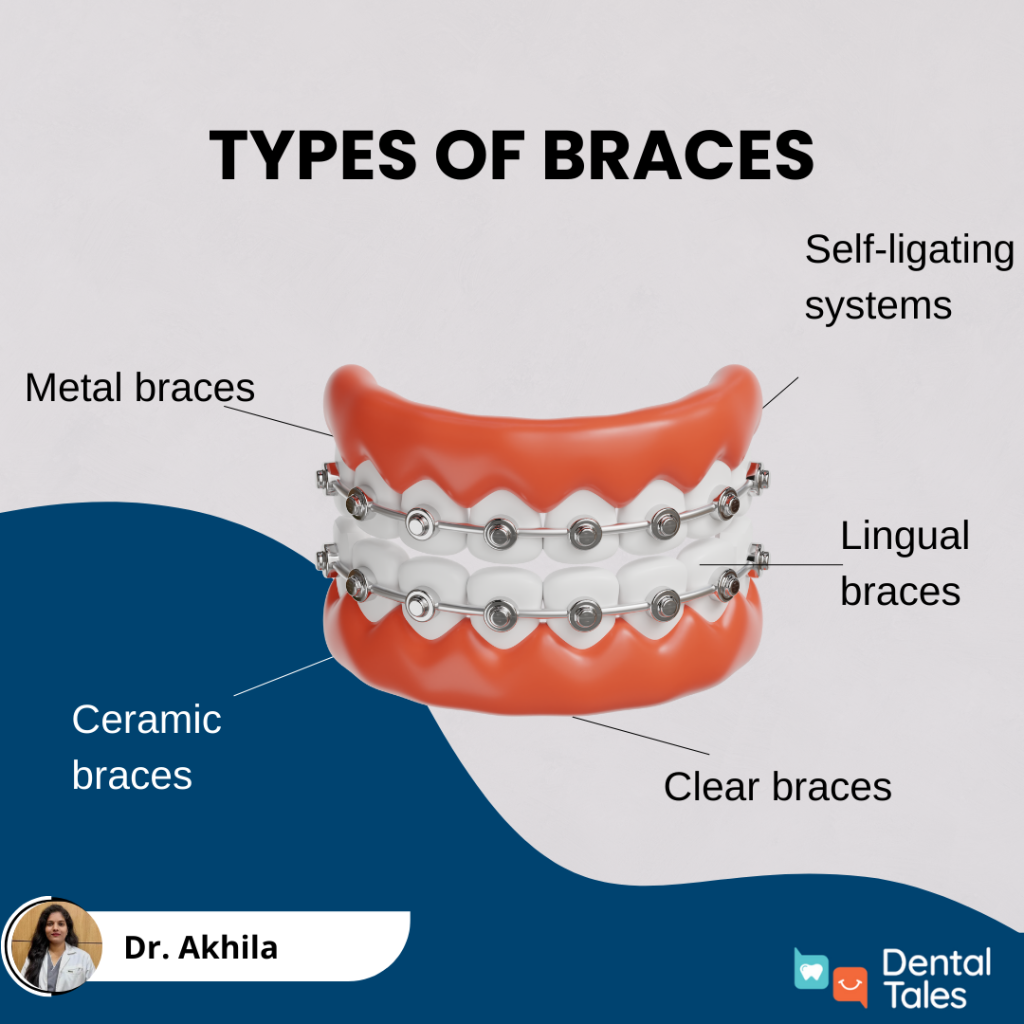
Braces are often recommended when controlled, predictable movement is required across multiple teeth.
Get more details about Braces with my separate guide.
Clear Aligners: A Discreet Orthodontic Alternative
Clear aligners use removable trays that gradually shift teeth into alignment through digitally planned stages.
Why Patients Choose Clear Aligners
- Subtle, nearly invisible appearance
- Removable for eating and oral hygiene
- Fewer in-office adjustments
- Greater convenience for adult patients
Aligners are best suited for mild to moderate orthodontic concerns, depending on individual evaluation.
Modern dentistry is evolving rapidly in India. The dental clear aligner market is projected to grow at a CAGR of nearly 13.29% through 2034, reflecting a massive shift in patient preference toward discreet, technology-driven orthodontic solutions over traditional methods
Restorative Dentistry: Repairing and Preserving Natural Teeth
Restorative dentistry focuses on repairing damage while preserving as much natural tooth structure as possible.
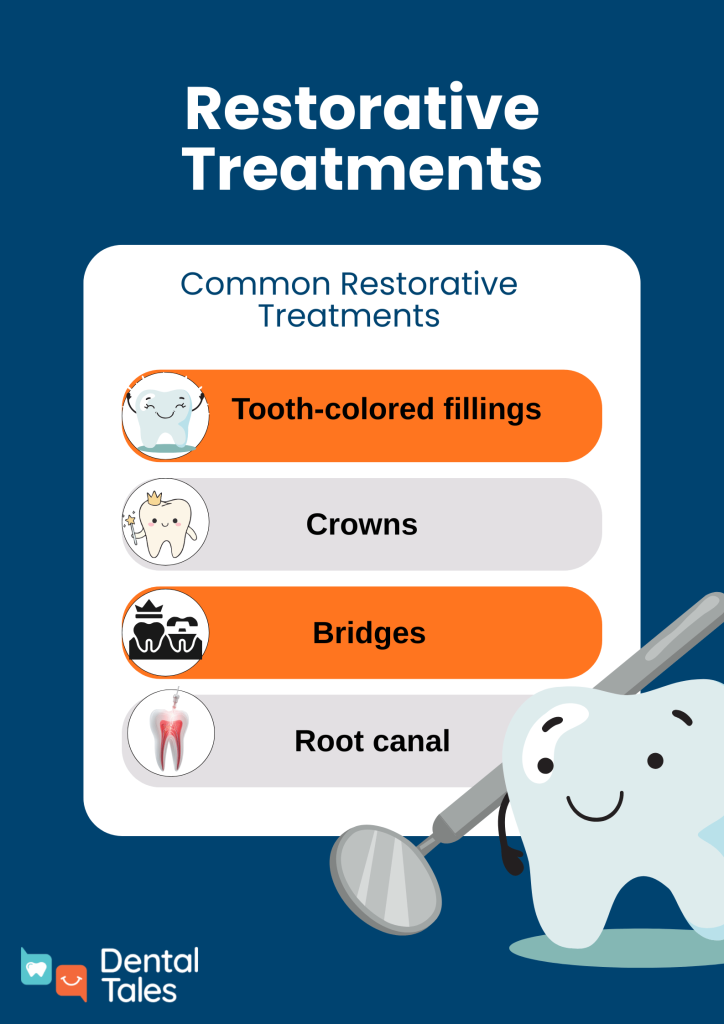
Common Restorative Treatments
- Tooth-colored fillings for cavities
- Crowns for weakened or fractured teeth
- Bridges for missing teeth
- Root canal therapy to treat infection and save teeth
Early restoration prevents further damage and protects overall bite alignment.
Dental Implants: A Long-Term Solution for Missing Teeth
Dental implants replace missing teeth by integrating with the jawbone, offering a stable and natural-feeling solution.
Benefits of Dental Implants
- Restore chewing efficiency
- Prevent jawbone loss
- Maintain facial structure
- Provide long-term stability
Implant planning considers bone health, gum condition, and medical history to ensure predictable outcomes.
Tooth loss remains a significant challenge in India, particularly as we age. Statistics show that by age 60, nearly 30% of the Indian population is completely edentulous (missing all natural teeth).
Dental implants have become the gold standard for restoring quality of life for these individuals, far outperforming traditional dentures in stability and bone preservation
Comparing Common Dental Treatment Options
Many patients come to a dental clinic knowing something is wrong but unsure which treatment is right for them. The following comparisons explain how different dental treatments work, when they are recommended, and how they differ clinically.
Teeth Whitening vs Veneers
| Factor | Teeth Whitening | Veneers |
| Primary purpose | Lighten tooth color | Improve shape, color, and surface defects |
| Best for | External stains, mild discoloration | Chips, gaps, uneven shape, deep discoloration |
| Tooth structure removal | None | Minimal enamel preparation |
| Longevity | Temporary, requires maintenance | Long-term with proper care |
| Treatment time | Short, often 1–2 visits | Multiple visits |
| Oral health requirement | Healthy teeth and gums | Healthy teeth and gums required |
Clinical insight: Whitening is ideal for patients with healthy teeth and surface-level stains. Veneers are recommended when cosmetic concerns involve structural imperfections, not just color.
👉 Cosmetic treatments are always planned after confirming oral health stability.
Braces vs Clear Aligners
Here is a quick table of comparison between braces and clear aligners.
| Factor | Braces | Clear Aligners |
| Visibility | Noticeable | Nearly invisible |
| Removability | Fixed | Removable |
| Best for | Moderate to severe alignment issues | Mild to moderate cases |
| Precision of movement | Very high | High, case-dependent |
| Oral hygiene | Requires extra care | Easier brushing and flossing |
| Compliance dependency | Low | High (must wear as directed) |
Clinical insight: Braces allow precise control for complex tooth movements. Clear aligners are suitable for patients who value discretion and can maintain excellent compliance.
An orthodontic evaluation determines which option delivers predictable, stable results.
Dental Implants vs Dental Bridges
| Factor | Dental Implants | Dental Bridges |
| Tooth support | Supported by jawbone | Supported by adjacent teeth |
| Bone preservation | Yes | No |
| Impact on nearby teeth | None | Adjacent teeth must be prepared |
| Longevity | Long-term solution | Moderate lifespan |
| Surgical procedure | Required | Not required |
| Ideal for | Single or multiple missing teeth | When implants are not suitable |
Clinical insight: Dental implants are preferred when bone health allows, as they preserve jaw structure and do not compromise neighboring teeth. Bridges may be considered when implants are not an option due to anatomical or medical factors.
Fillings vs Crowns
| Factor | Fillings | Crowns |
| Used for | Small to moderate cavities | Heavily damaged or weakened teeth |
| Tooth coverage | Partial | Full coverage |
| Strength restoration | Limited | High |
| Longevity | Moderate | Long-term |
| Tooth structure removal | Minimal | More extensive |
Clinical insight: Fillings are conservative and ideal for early decay. Crowns are recommended when a tooth’s structure is compromised and needs full protection to prevent fracture.
Root Canal Treatment vs Tooth Extraction
(Tooth Preservation vs Removal)
| Factor | Root Canal Treatment | Tooth Extraction |
| Goal | Save the natural tooth | Remove the tooth |
| Impact on bite | Maintains natural bite | May affect bite if not replaced |
| Follow-up treatment | Crown placement | Replacement often required |
| Long-term outcome | Tooth preservation | Risk of bone loss without replacement |
Clinical insight: Preserving the natural tooth is almost always the preferred option when possible. Extraction is considered only when the tooth cannot be predictably restored.
How Dentists Decide the Right Treatment Option
Treatment recommendations are never based on appearance alone. A dentist evaluates:
- Tooth structure and decay severity
- Gum and bone health
- Bite alignment and function
- Long-term stability and maintenance
- Patient comfort, expectations, and lifestyle
This ensures the chosen treatment is clinically appropriate, durable, and beneficial, not just cosmetically appealing.
The Connection Between Oral Health and Overall Health
As dentists, we often see how untreated oral conditions can affect general health. Chronic gum disease and infections may contribute to inflammation elsewhere in the body and impact overall well-being.
Maintaining oral health through preventive care and timely treatment supports:
- Better nutrition
- Reduced infection risk
- Long-term comfort and function
In India, the link between oral health and systemic diseases is a critical concern. Research indicates that individuals with Periodontitis (severe gum disease) have a significantly higher risk of developing Type 2 Diabetes.
Conversely, diabetic patients are three times more likely to develop gum infections, creating a cycle that only professional dental intervention can break.
Creating a Personalized Dental Treatment Plan
No two patients are the same. A comprehensive dental treatment plan considers:
- Current oral health condition
- Long-term goals and expectations
- Functional and aesthetic needs
- Maintenance and follow-up care
Professional evaluation ensures that treatment recommendations are necessary, appropriate, and sustainable.
When to Consult a Dentist
You should seek professional dental care if you notice:
- Persistent tooth pain or sensitivity
- Bleeding or swollen gums
- Difficulty chewing or jaw discomfort
- Changes in tooth position or bite
- Missing or damaged teeth
Educational content provides guidance, but clinical examination is essential for accurate diagnosis and care planning.
If you ever need help or have questions about dental health, feel free to reach out to me! I’m Dr. Akhila, a dentist who has helped hundreds of people to feel better and confident with their oral health.